Setting a Wedding Budget: How to Plan and Save
Getting your wedding budget right early makes everything else easier. Here's how to set it up, track it, and actually stick to it.
By Claire, Wedding planner and co-founder Updated July 24, 2026
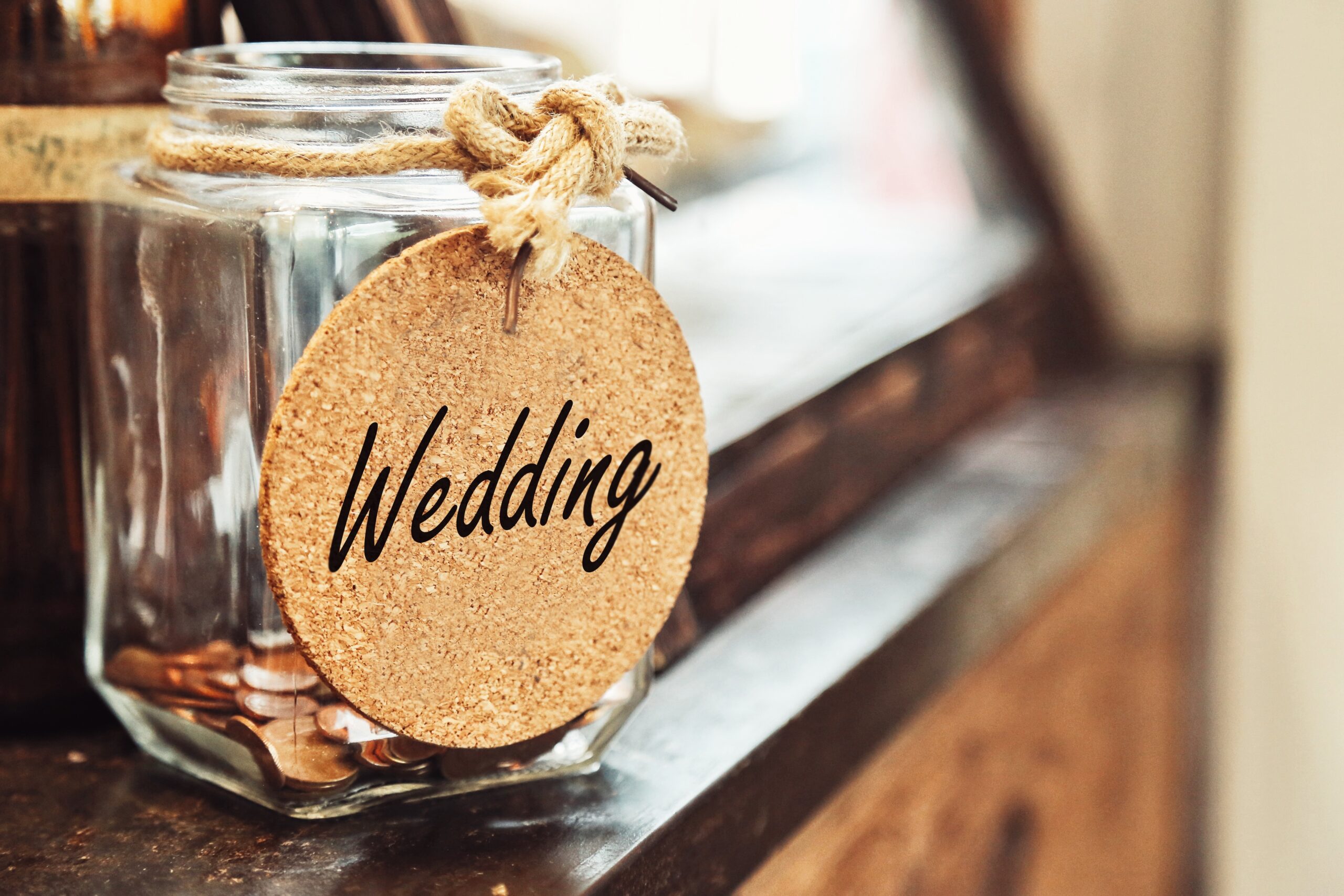
Let's talk about money. It's not the most romantic part of wedding planning, but getting this right early makes everything else a lot easier. Without a clear budget, it's easy to make decisions in isolation and end up with a financial picture that doesn't quite add up.
The good news is that budgeting doesn't have to be complicated. Let's work through it together.
Start With an Honest Conversation
Before you look at a single venue or get a single quote, sit down with your partner and talk about what you can realistically afford. Factor in any contributions from family members if that's relevant to your situation. Then take that total figure and immediately set aside 10 to 15 percent as a contingency. Wedding costs have a way of creeping up in ways you don't anticipate, and having that buffer means surprises don't become stress.
What's left after that buffer is your working budget. That's the number you plan from.
Break Your Wedding Budget Down by Category
A lump sum is hard to work with. What actually helps is breaking your budget down into categories so you can see where your money is going and make intentional decisions about where to spend more and where to pull back.
One Fine Plan's smart Budget Tracker comes pre-loaded with these categories and their associated items:
Engagement Party
Stationery and Invitations
Ceremony and Reception
Flowers and Styling
Photo and Video
Entertainment
Wedding Attire and Accessories
Hair and Beauty
Transport and Accommodation
Other
You're not starting from scratch. Edit, add, or remove anything to match your actual plans.
Set a Target for Every Item
Once your categories are in place, go a level deeper. What specific items sit within each category, and how much do you want to spend on each one?
This is where the planning gets real. When you have a target amount against every item, you can have informed conversations with suppliers, compare quotes against your expectations, and make decisions that actually fit your budget rather than hoping for the best.
One Fine Plan's auto-fill tool makes this easier. Enter your overall budget and it will automatically distribute suggested amounts across all your items, giving you a realistic starting framework to work from. You can adjust everything from there, and if your budget changes, you can clear and reapply the auto-fill at any time.
Track Every Dollar as You Go
Setting a budget is only half of it. The other half is keeping up with what you're actually spending as decisions get made and deposits get paid.
For every item in One Fine Plan's Budget Tracker, you can record three amounts: what you planned to spend, what a supplier has quoted you, and what you've actually paid so far. That means you can see at a glance where your estimates sit against real costs, and track outstanding balances across every item without digging through emails or spreadsheets. The live dashboard at the top keeps your key figures visible at all times.
How to Stretch Your Wedding Budget
If you're working with a tighter budget, there's plenty of room to be smart about it without compromising on what matters.
Get multiple quotes. For bigger line items like photography, catering, and florals, aim for at least five quotes before making a decision. It gives you a feel for the market and often surfaces better value than the first option you come across.
Consider a weekday or off-season wedding. Venues and suppliers regularly offer meaningful discounts for mid-week dates and quieter months. A Thursday wedding can save thousands compared to a Saturday in peak season.
Trim the guest list. The number of guests affects almost every line item in your budget, from catering and seating to venue size and favours. A smaller, more intimate guest list is often both more affordable and more meaningful.
Look at second-hand options. For wedding dresses, décor, and accessories, platforms like Stillwhite and local marketplaces often have beautiful options at a fraction of the original cost.
Spend where it counts. Decide early what matters most to both of you and put your money there. If it's the photographer, invest in the photographer. If it's the food, spend on the food. And give yourself permission to be more flexible on the things that matter less.
Staying on Track as Plans Evolve
Budgets shift. Priorities change. That's completely normal, and it doesn't mean you've done something wrong. What matters is that you keep your budget visible and up to date throughout the planning process, so you always know where you stand and can make adjustments before they become problems.
One Fine Plan's Budget Tracker is free to get started. Set it up early, keep it updated, and you'll have a clear financial picture of your wedding from day one right through to the final payment.
Want a planner in your corner?
One Fine Plan was built alongside One Fine Wedding, Claire's professional wedding planning service. If you'd love hands-on help bringing your day together, that's a lovely place to start.
More wedding planning articles
Ready to start planning your dream wedding?
Join other couples who trust One Fine Plan to help them create their perfect day.